

Kathmandu: A month after Prime Minister Balendra Shah proposed a trilateral Himalayan Climate Resilience Mechanism (HCRM) involving Nepal, India and China, the initiative has yet to make significant diplomatic progress.
The Ministry of Foreign Affairs and the Ministry of Agriculture, Forest and Environment are still preparing a concept note in consultation with relevant agencies. No formal proposal has been submitted to either India or China.
Prime Minister Shah introduced the initiative during his address to the 81st United Nations General Assembly in New York on September 24, highlighting the urgent need for regional cooperation to address growing climate threats in the Himalayan region.
The proposal calls for sharing satellite data, monitoring potentially dangerous glacial lakes, exchanging scientific expertise and strengthening cross-border early-warning systems to protect vulnerable communities.
Shah emphasised that the Hindu Kush Himalayan region supports nearly two billion people through its water resources, ecosystems, agriculture and livelihoods, making climate resilience a shared regional responsibility.
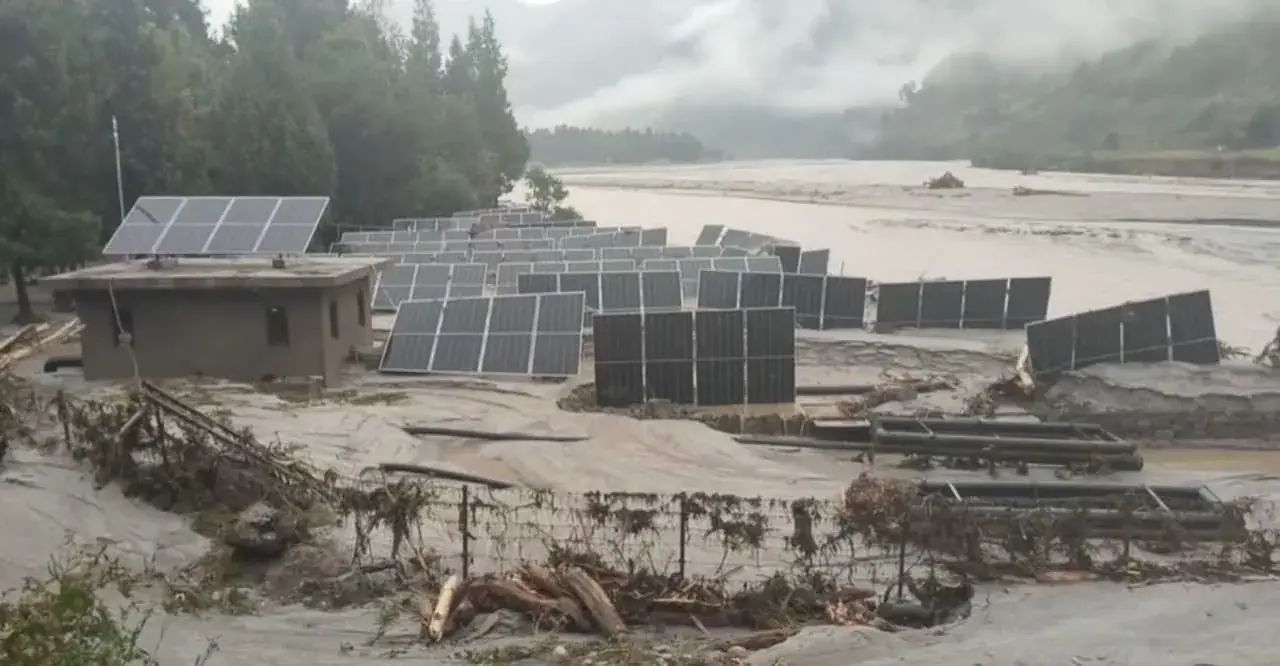
The initiative gained particular urgency following the devastating August 26 Bhotekoshi flood in the Nepal-Tibet region, which reportedly caused extensive casualties and infrastructure damage.
Although the proposal has received encouraging responses, diplomatic observers remain cautious about its implementation, particularly given the complex relationship between India and China.
Nepal's geographical position between the two Asian powers could provide an opportunity to promote cooperation on climate adaptation, disaster preparedness and environmental security.
However, the absence of formal diplomatic engagement raises questions about the government's preparedness to translate its international commitment into practical regional action.
Experts believe that timely consultations, a clearly defined cooperation framework and sustained diplomatic engagement will be essential for transforming the proposed mechanism into an effective platform for Himalayan climate resilience.
For Nepal, the initiative represents an opportunity to strengthen regional cooperation while positioning itself as a leading advocate for Himalayan climate security.


No comments yet. Be the first to comment.