
Brazil’s reported reelection of President Luiz Inácio Lula da Silva could have significant implications for global commodity markets, particularly agricultural exports, rare earth minerals and renewable energy. Analysts suggest that continued leadership under Lula would strengthen Brazil’s economic relationship with China while influencing trade opportunities for the United States.
Brazil, one of the world’s largest agricultural exporters, plays a crucial role in international food supply chains. Its soybean, beef, cotton and coffee industries remain important contributors to global markets, particularly through expanding trade with China.
According to the supplied report, China purchased approximately $100 billion worth of Brazilian goods last year, compared with $38 billion purchased by the United States. Brazil also reportedly supplied 75% of China’s soybean imports during the first nine months of the year.
Analysts believe that Lula’s continued leadership could preserve these trade relationships, supporting agricultural exports and strengthening economic cooperation between Brasília and Beijing.
Meanwhile, Brazil’s currency reportedly weakened sharply following the election outcome. A weaker Brazilian real could make agricultural commodities more competitive internationally by increasing local-currency earnings from dollar-denominated exports.
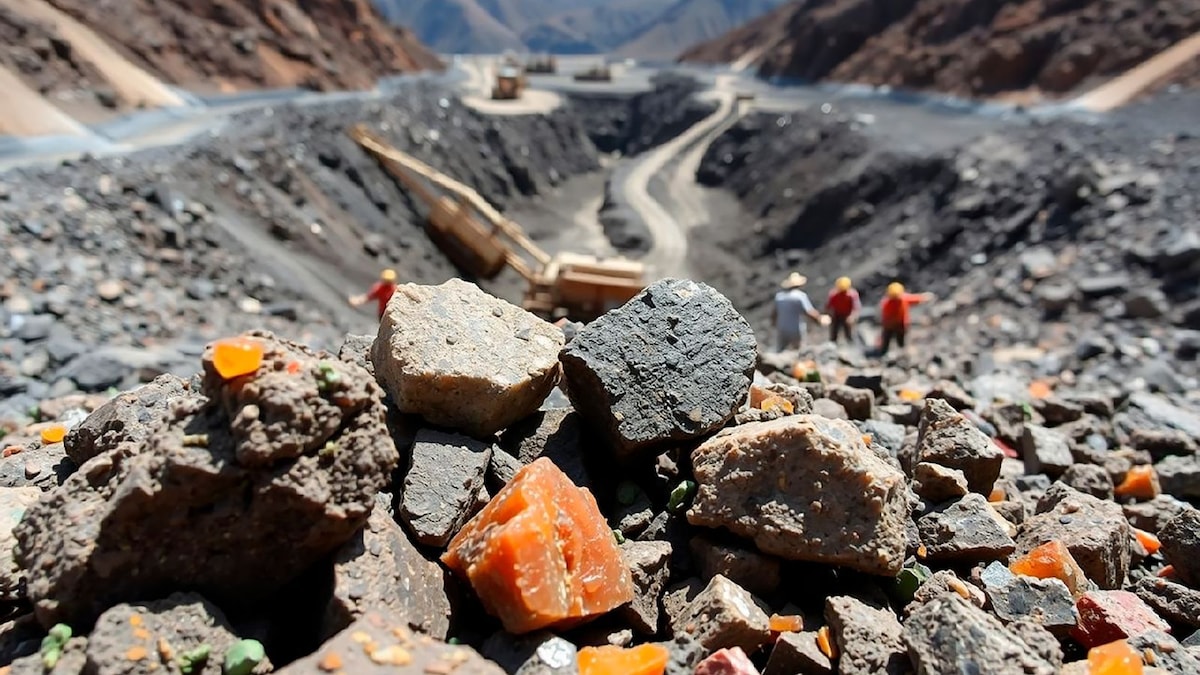
Rare earth minerals represent another important dimension of Brazil’s economic future. The country possesses substantial mineral resources that are increasingly valuable for electric vehicles, renewable energy technologies and advanced manufacturing.
However, analysts suggest that expanded American access to these resources could face additional diplomatic and regulatory challenges under Lula’s administration.
Brazil’s renewable energy sector could also benefit from continued government support for biofuels, environmental protection and climate-related initiatives.
The election outcome highlights Brazil’s growing strategic importance in global commodity supply chains and the economic competition between China and the United States.
Future trade policies, investment decisions and environmental regulations will influence how Brazil balances international partnerships while developing its agricultural, mineral and clean-energy industries.


No comments yet. Be the first to comment.