
Outgoing Air Chief Marshal Amarpreet Singh stated that fighter force levels are declining to 30 squadrons, falling short of the 42-squadron mandate by the Chief of Staff Committee. He called for the induction of two squadrons consisting of 36 aircraft annually to maintain regional standing against rivals.
While fighter force strength is a prominent concern, questions arise regarding the efficacy of manned jets against advanced long-range air defense systems and beyond-visual-range missiles. With China serving as the primary adversary, military considerations increasingly focus on long-range capabilities, drawing lessons from conflicts involving Iran, the Houthis, and Ukraine, where drones and stand-off weapons have heavily impacted infrastructure despite a lack of traditional air forces.
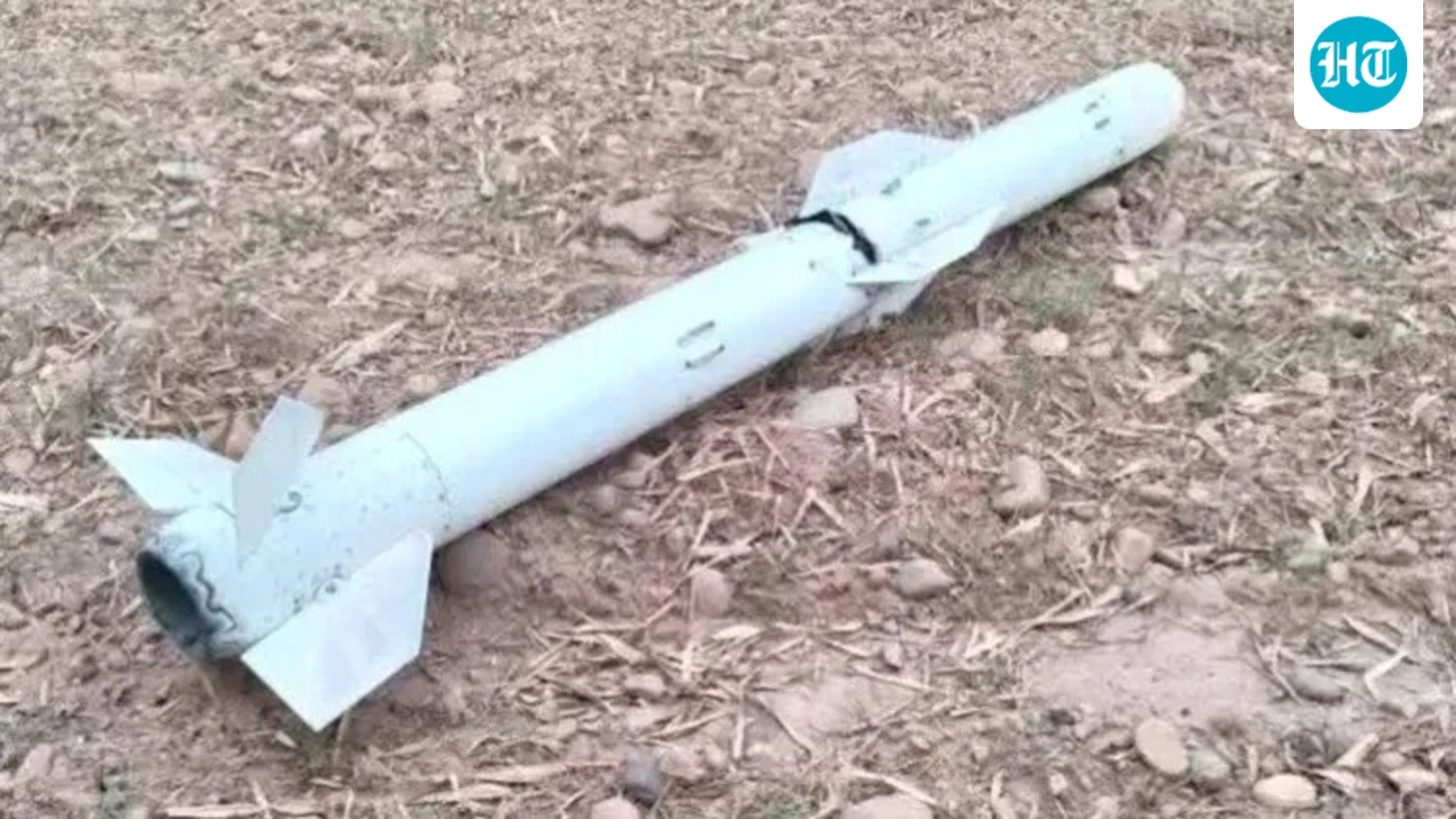
In response to these strategic shifts and following Operation Sindoor, the Narendra Modi government is pivoting toward anti-ballistic missile defenses, long-range air-to-air missiles, loitering ammunition, and hypersonic ballistic missiles. Planned acquisitions include Russian RVV-BD missiles, the domestic Astra Mark II and III missile developments, 31 Predator drones from the United States expected in 2028-29, and India's fifth S-400 system arriving from Russia next month.
India Weighs Fighter Jets Versus Long-Range Stand-Off Missiles
Source - Google News - India


No comments yet. Be the first to comment.