
'Everyone is hedging.' As the U.S. And China divide the world into rival AI blocs, that lends power to 'swing countries' in between
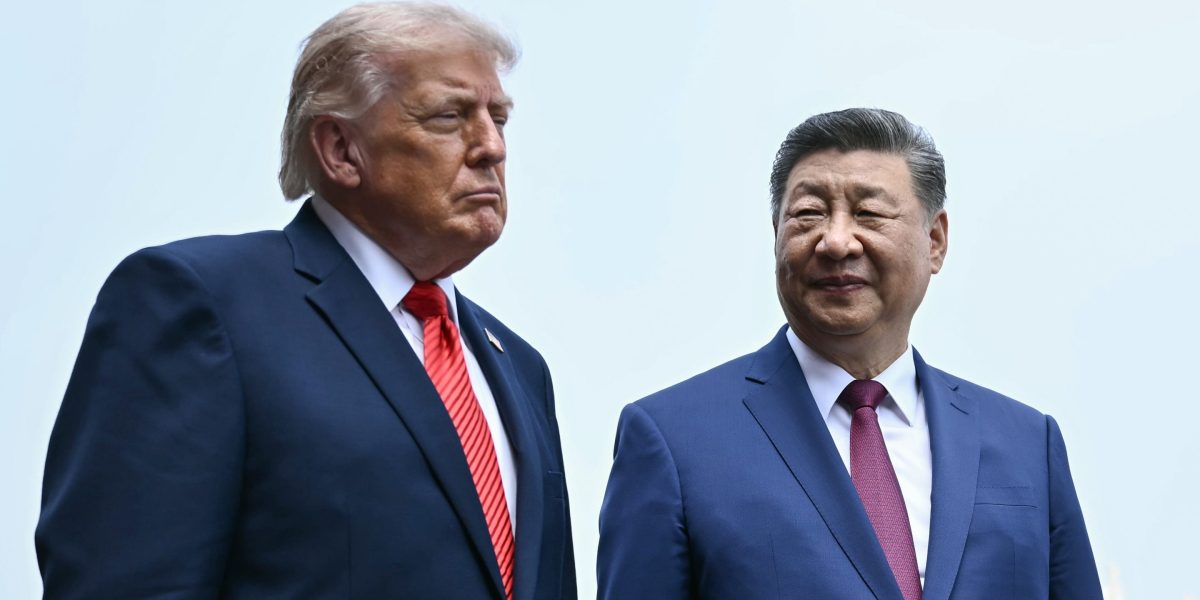
Source - Reuters
'Everyone is hedging.' As the U.S. And China divide the world into rival AI blocs, that lends power to 'swing countries' in between With the two leading AI powers, the United States and China, forming their own AI blocs, other countries are maneuvering to harness the strengths of both groupings and avoid losing out. As the rivalry intensifies, experts say the window for countries to be able to choose freely between the two AI superpowers may be narrowing, forcing them to at one point pick between the U.S.-led Pax Silica and the China-inspired World AI Cooperation Organization. That could put many countries in a dilemma: Do they go with the U.S.’s most advanced chips and AI technologies, or join China’s more affordable, open-source AI systems? Kazakhstan, a Central Asia nation of about 21 million people, is a rare example of a country that has sought to bridge that gap. Just three weeks after its AI minister Zhaslan Madiyev visited Washington in June to join the U.S. Group working to strengthen AI supply chains, he headed to Shanghai for a signing ceremony making the Central Asian country a founding member of China’s initiative to shape the global AI agenda. Being in Pax Silica means more technological partnerships, high-tech manufacturing jobs and a place in global AI supply chains. At the same time, as part of China’s World AI Cooperation Organization alongside 28 other initial founding countries including Pakistan and Russia, Kazakhstan hopes to also have a voice in setting regional and global AI standards. “Everyone is hedging,” said Dana Masalimova, a former Kazakhstan diplomat and independent scholar and center associate at the Kathryn W. And Shelby Cullom Davis Center for Russian and Eurasian Studies at Harvard University. “We don’t want this binary choice,” Masalimova said.



No comments yet. Be the first to comment.