
Researchers Race to Protect Koalas from a Deadly Chlamydia Epidemic
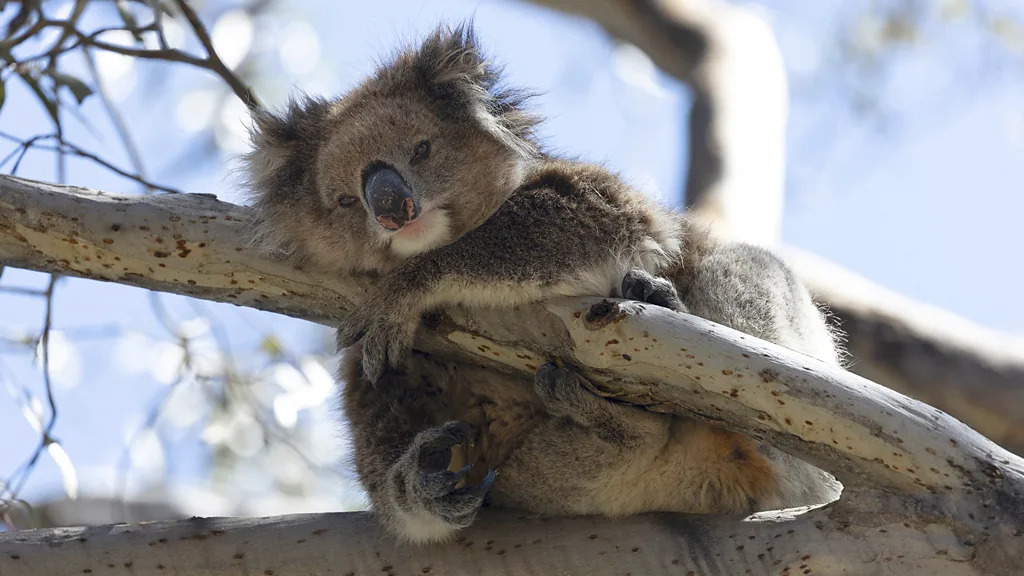
Armed with long plastic poles, a small team of researchers carefully attempts to coax a female koala down from the gum tree where she is comfortably perched. At first, the koala appears completely unbothered by the scientists below. However, within moments, the situation changes dramatically. She climbs down the tree trunk, leaps onto the grass, lets out a deep growl, and rolls onto her back with her sharp claws raised in defense.
The researchers, experienced in handling wildlife, quickly but gently secure the koala and place her into a transport crate. Once safely sedated, she is laid on a soft towel for a thorough health examination. Every step of the process is carefully planned to minimize stress on the animal while allowing scientists to assess her condition.
"I think she has chlamydia," says Karen Burke Da Silva, a conservation biologist at Flinders University in South Australia. Her concern reflects one of the greatest threats facing Australia's iconic marsupial. Chlamydia has become widespread among mainland koala populations, affecting as many as 88% of individuals in some regions. The disease is caused by the bacterium Chlamydia pecorum and can have devastating consequences for infected animals.
Unlike the sexually transmitted infection in humans, which is usually treatable and rarely fatal, chlamydia in koalas can cause severe health problems. Infected animals may develop blindness, urinary tract infections, infertility, pneumonia, and, in many cases, the disease ultimately proves fatal. The epidemic has become a significant conservation challenge, contributing to the decline of already vulnerable koala populations.
The captured koala is one of approximately 40 koalas living within Belair National Park, near Adelaide in South Australia, that have been fitted with tracking collars as part of an ongoing scientific study. Researchers are monitoring their movements, health, and genetic diversity to better understand how the disease spreads and how populations can be protected.
By collecting blood samples, conducting physical examinations, and tracking individual koalas over time, scientists hope to identify effective strategies for disease management. The research may also contribute to the development of vaccines and improved treatment methods that could slow or prevent the spread of chlamydia among wild koala populations.
Koalas already face numerous threats, including habitat destruction, bushfires, climate change, vehicle collisions, and attacks by domestic dogs. The addition of a widespread infectious disease places even greater pressure on the species, making conservation efforts increasingly urgent.
Despite these challenges, researchers remain hopeful. Ongoing monitoring programs, habitat restoration projects, and advances in veterinary medicine are providing valuable insights into koala health. Every rescued and examined animal contributes important information that could help protect future generations.
The work carried out by conservation biologists demonstrates the dedication required to safeguard one of Australia's most recognizable native species. Through continued research, public awareness, and targeted conservation efforts, scientists hope to reduce the impact of chlamydia and give wild koala populations a better chance of surviving and thriving in their natural habitat.
Kangeroo Island koalas
No comments yet. Be the first to comment.